Home during the day
Home offices, pools and daytime air conditioning can make direct solar use especially valuable.
Load timing consideredResidential solar · Perth
Designed around how your family uses energy today, with the flexibility to support batteries, EV charging and changing needs tomorrow.
A smarter starting point
Using GreenSketch mapping and 3D design tools, PSA can model panel placement, shading and expected performance. Your daytime demand, property, electrical setup and future plans complete the picture.
Home offices, pools and daytime air conditioning can make direct solar use especially valuable.
Load timing consideredThe array can be planned with future battery storage and export limits in mind.
Future storage consideredFuture equipment can affect array size, phase requirements and switchboard planning today.
Room to grow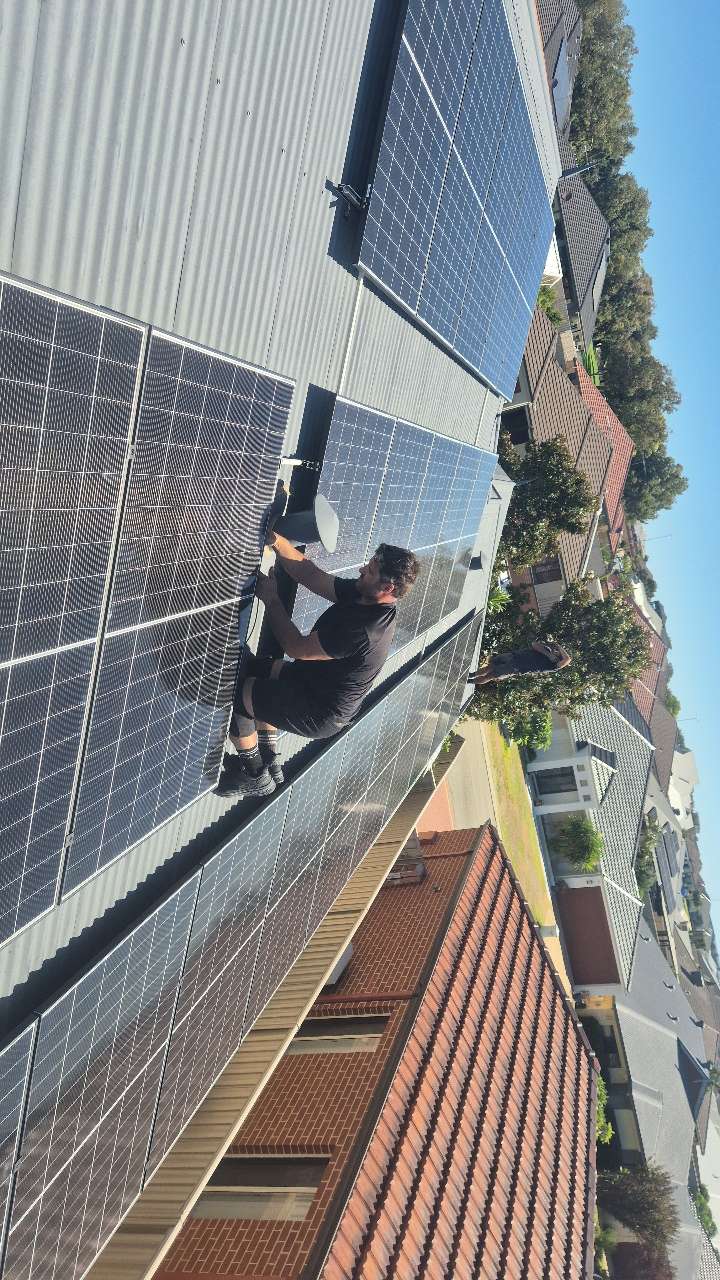
Designed for the household
Your energy use and future plans lead the design. Roof faces, shade and setbacks shape generation; cable routes, mounting, protection and labelling shape the quality of the installation.
What makes the system
A strong result comes from parts that suit one another—and the property they are connected to.
Panel selection considers available area, electrical characteristics, warranty support and the layout that can actually be built.
Capacity, phase, monitoring, export control and future battery plans all influence inverter selection.
Protection, cable routes, isolators, switchboard work, commissioning and documentation complete the job.
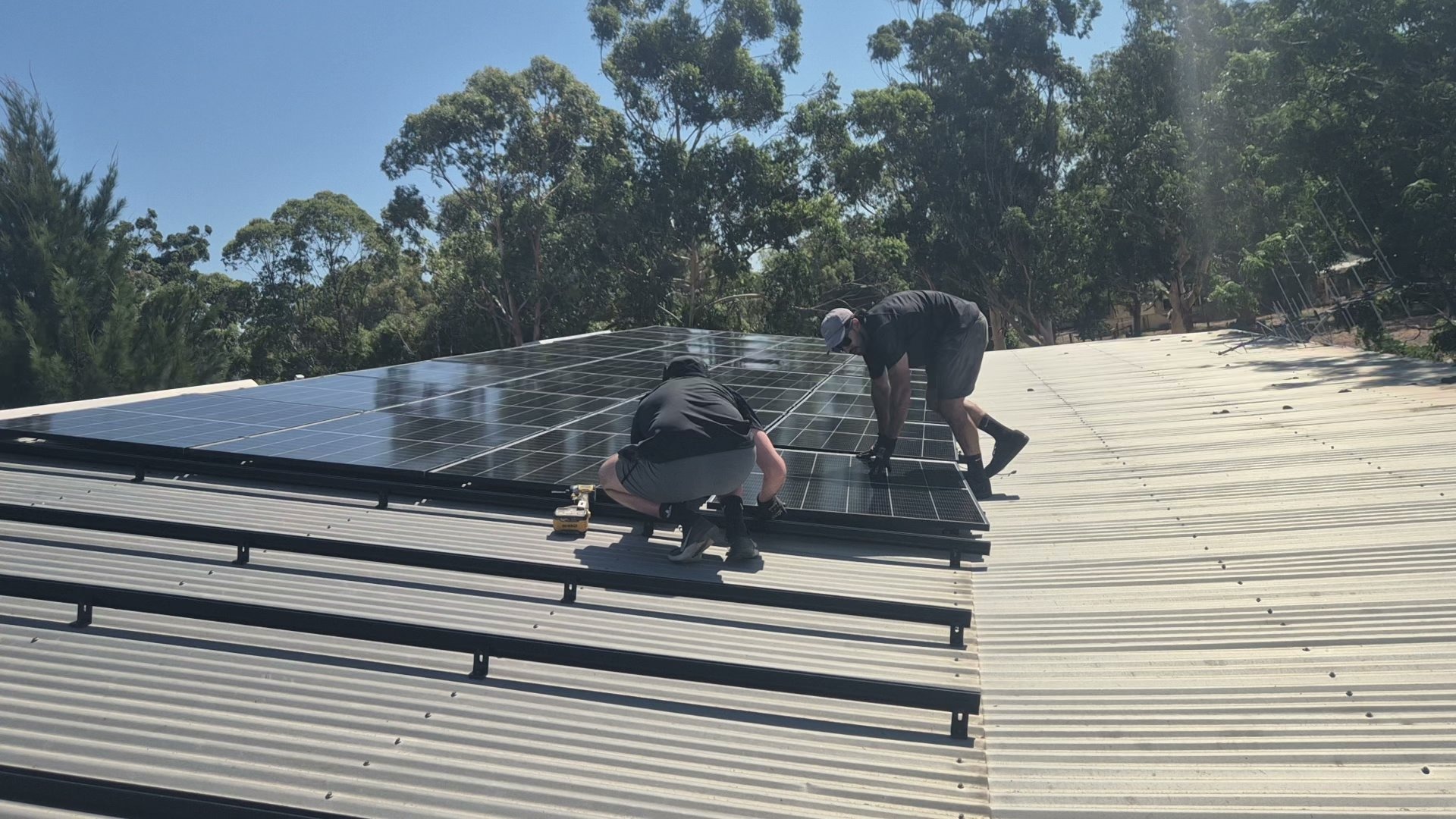
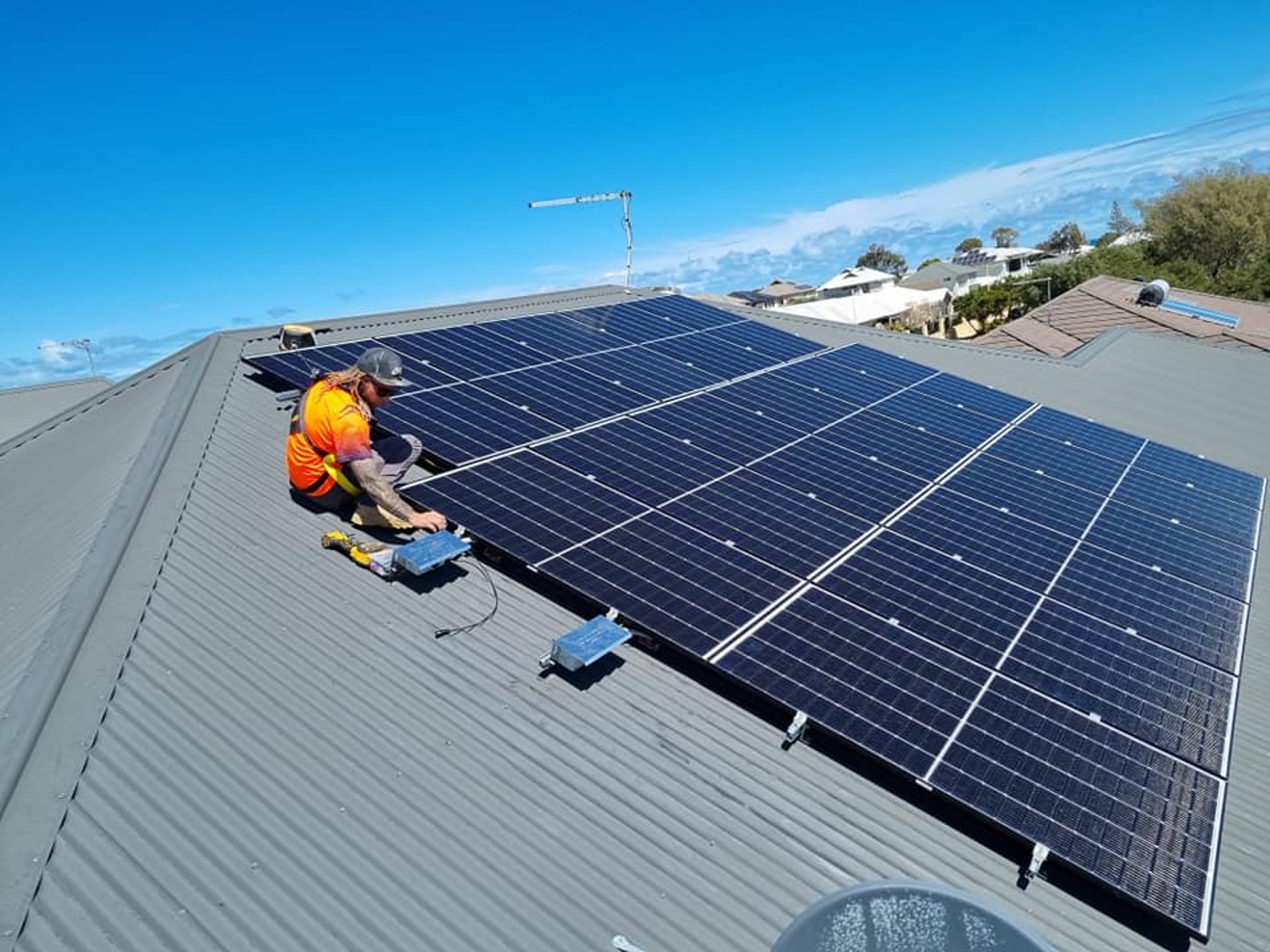
PSA solar work
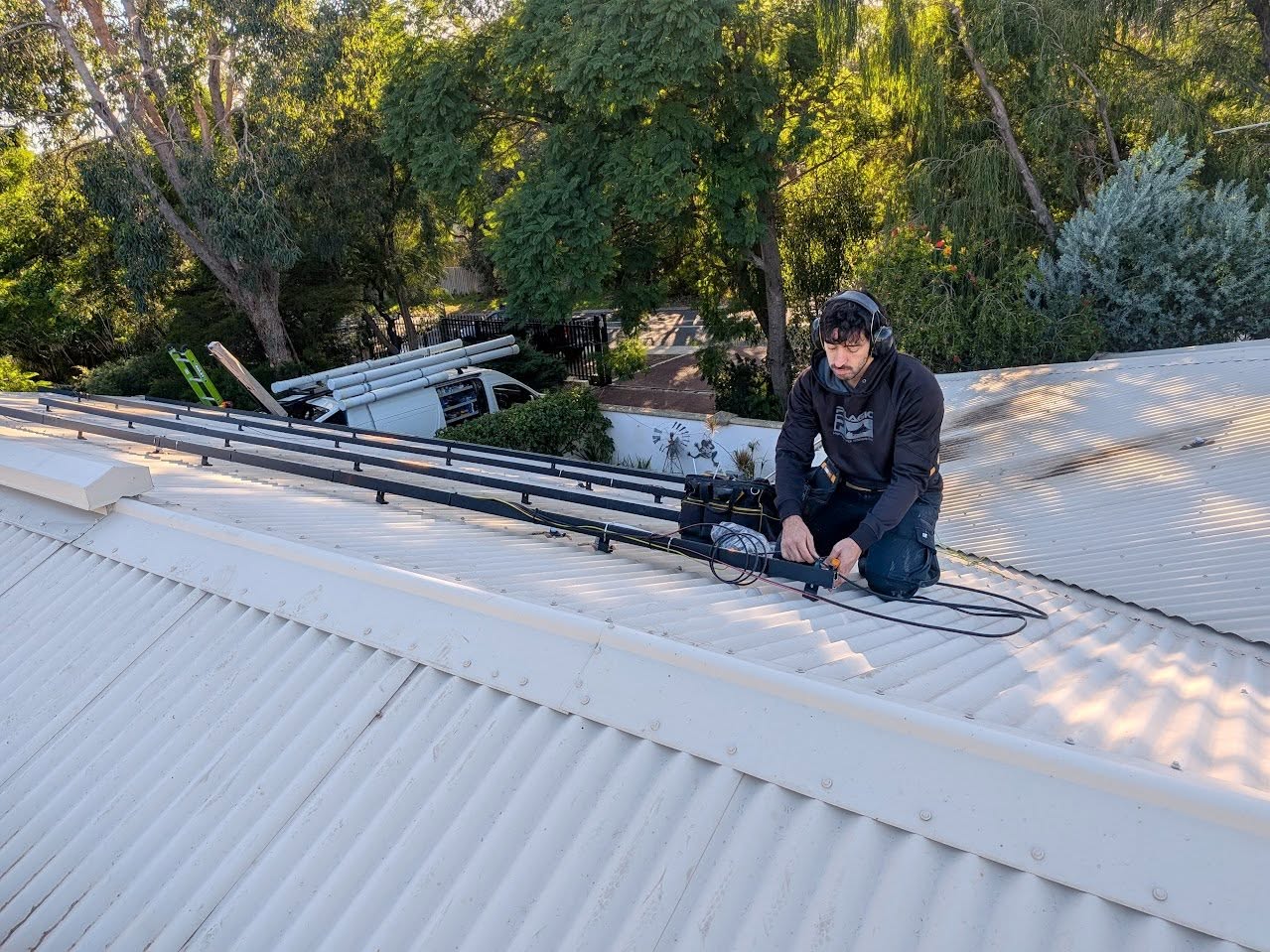
From first email to switch-on
Share a bill, address and what your family may add later.
GreenSketch modelling, equipment selection and electrical requirements are worked through together.
The agreed network and installation steps are coordinated.
Monitoring is connected and the handover explains how the system operates.
The useful answer depends on roof space, daytime usage, future battery or EV plans and network limits. PSA reviews those factors before recommending a size.
PSA uses GreenSketch high-resolution mapping and 3D design tools to model the property, consider panel placement and shading, and estimate system performance before the onsite details are confirmed.
Sometimes. The existing inverter, roof layout, switchboard, electrical condition and current network rules all need to be checked first.
Yes. Designing them together can simplify compatibility, cable planning and duplicated work, although a battery can also be added later in many homes.
Standard grid-connected solar normally shuts down during a network outage for safety. Backup requires compatible battery equipment and a deliberately designed set of backup circuits.
That depends on system performance, how much solar you use directly, electricity tariffs, export rates and how your usage changes over time. PSA can estimate performance, but no responsible installer should promise an exact bill saving.
PSA installs selected FoxESS products when they are a sound fit for the property, supply configuration and future battery or EV plans. The recommended model is confirmed as part of the design.
PSA coordinates the relevant network application and installation documentation for the agreed scope.
Ready to size it properly?